The Departure's reviews




Media reviews
The Washington Post
It's not often one can have a genuinely spiritual experience watching a movie. But that's precisely what's on offer with 'The Departure', Lana Wilson's quietly galvanizing portrait of life, death and the thin places in between in modern-day Japan.
The Hollywood Reporter
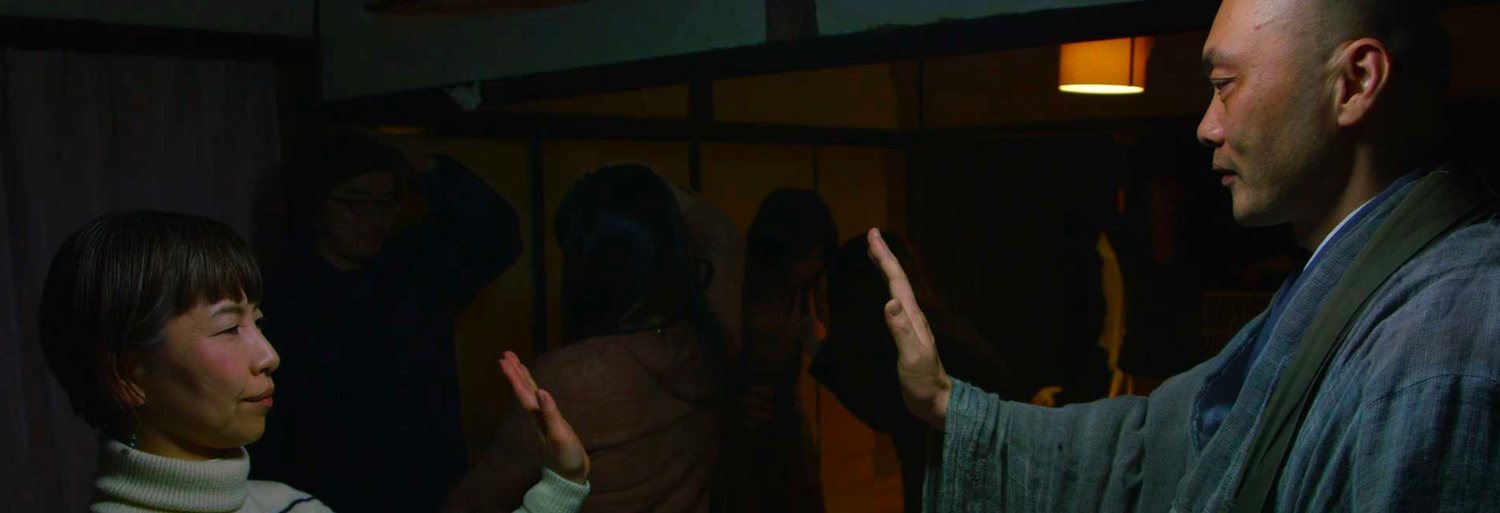
Eschewing narration or commentary by anyone other than Nemoto, the film has a Zen-like quality that would be soothing if the subject matter were not inherently disturbing. One of the most powerful scenes shows a session conducted by Nemoto with a group of depressed people. He instructs them to write down on small slips of paper the things they love most in life, then the names of three loved ones, and finally three things they'd like to experience but haven't. Close-ups of the slips of paper reveal some of the answers including "love," "food" and "travel the whole world".
Indiewire
Often lyrical and deeply meditative, Wilson's film doesn't employ talking heads to add in extra information or bulk up on anything as impersonal as stats, instead opting for a more immersive experience into Nemoto's daily life as it progresses in unexpected ways. The priest provides a handful of voiceover interviews (including a particularly illuminating one about his own personal experiences with suicide) to add context to a film that doesn't necessarily require it.
New York Times
Like a haiku, 'The Departure' weighs its words carefully. But silences, too, play a vital role here. During its quiet moments, we can only watch this priest comfort the despaired and hope that he succeeds.
Screen Daily
You do long to hear Nemoto?s wife Yuki offering her perspective on their life together but that is not forthcoming in a film that keeps the focus on Nemoto. The result is an intimate, deeply felt engagement with profound matters of life and death.